Trust Jesus: The Most Important Prep Is the One No One Can Take From You
Faith in Jesus is the most important preparation. Learn how trust, obedience, household responsibility, and a simple seven-day plan work together.
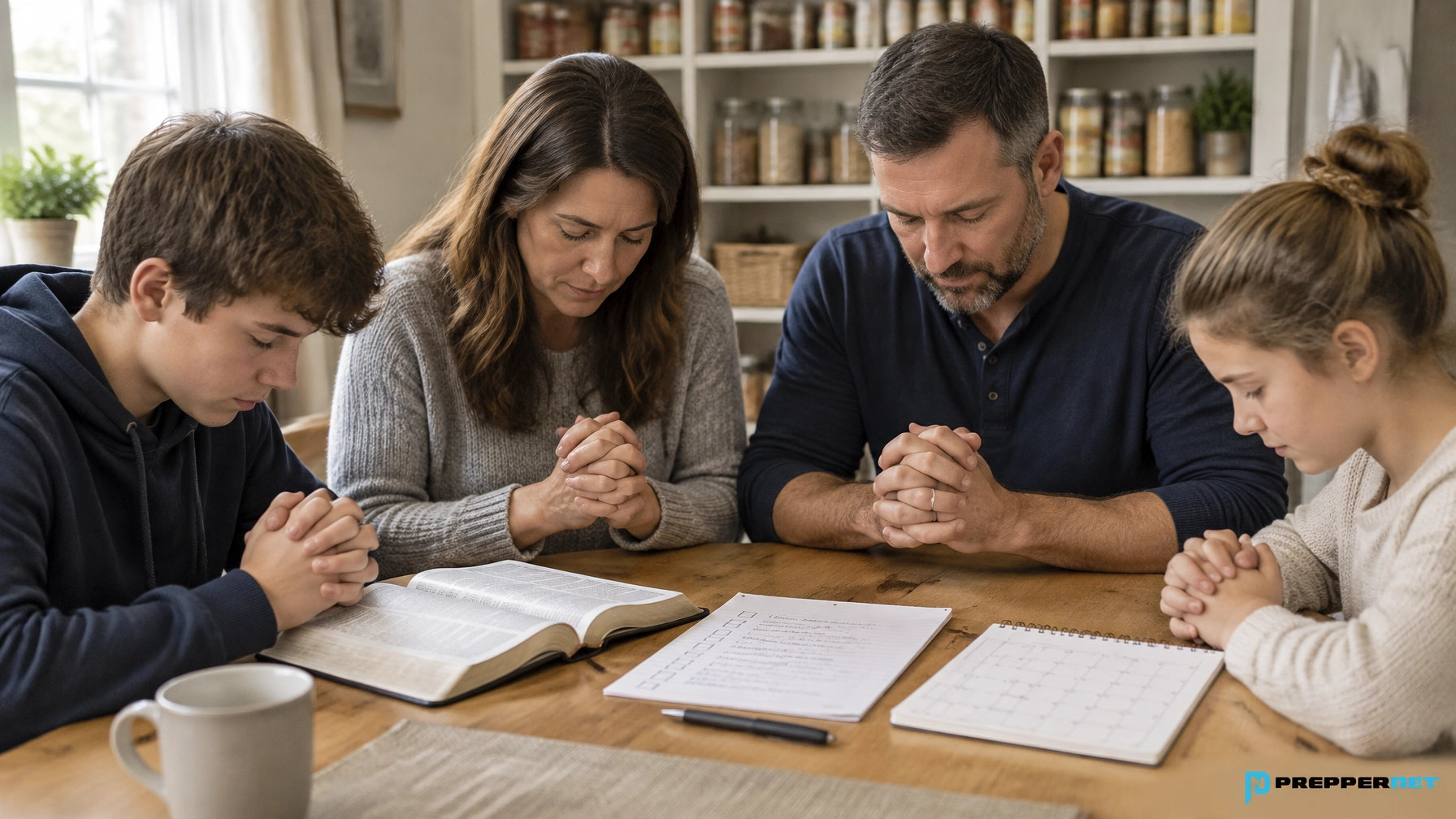
The most important prep is not in your garage.
It is knowing Jesus Christ and trusting Him with your life, your family, and your future. Supplies can help you face a disruption. They cannot save your soul. Plans can reduce risk. They cannot guarantee tomorrow.
So put your faith in Jesus. Then obey Him by preparing responsibly.
Those are not opposing choices. Trust Jesus first. Then act faithfully with what He has placed in your care.
If your pantry is full but your soul is empty, you are not prepared for what matters most. If you claim to trust God but refuse to take reasonable steps to care for your household, your plan is incomplete.
The goal is not fear. The goal is faithful obedience and steady trust, whatever the outcome.
Trust Christ first. Prepare under His lordship.
Christian preparedness begins with Jesus, not equipment.
The Christian hope is not that we can control every crisis. It is that salvation is found in Christ. Physical readiness cannot purchase that salvation, and no store of supplies can replace it.
If you have plenty of food but have never trusted Jesus, your supplies cannot answer the deepest question of life. If you trust Jesus but neglect the people He has entrusted to your care, your actions need to come into line with your faith.
The order matters:
- Trust Jesus for salvation.
- Seek God’s kingdom first.
- Obey His Word in daily life.
- Prepare your household with humility.
- Use what you have to serve others.
Jesus says to seek first the kingdom of God and His righteousness (Matthew 6:33). In context, He speaks to people tempted to be ruled by worry about food, clothing, and tomorrow. He does not tell His followers to make material security their highest aim. He calls them to trust the Father and put His kingdom first.
That is the foundation. Preparedness belongs beneath it.
Faith acts. It does not just talk.
James asks what good it is for someone to claim faith while refusing practical help to a brother or sister who lacks food or clothing. His point is direct: living faith shows itself in action (James 2:14–18).
James is not saying people earn salvation by stocking supplies or doing good deeds. He is challenging empty claims of faith. Real trust in God changes how we live and how we treat people.
John the Baptist makes the same point in Luke 3. When people ask what repentance should look like, he tells those who have extra food and clothing to share with those who have none (Luke 3:11). Faith is not an excuse for indifference. It moves us to care for people in front of us.
That includes your household. Paul writes that providing for one’s relatives, especially one’s household, is a serious responsibility (1 Timothy 5:8). This is not a command to hoard or to live in panic. It is a reminder that love takes responsibility.
Skill over gear. Faith over fear. Stewardship over hoarding.

Preparation is not your savior
Some people prepare because they believe they can control every outcome. Some people trust because they believe God will handle everything without their effort. The wise do neither.
The Christian prepares without pretending to be sovereign. You can store water, learn first aid, and make a family plan. You cannot command the future. You can take practical steps and still place your confidence in Christ.
If your plan depends on having no trouble, it is not a plan. If your peace depends on having every supply, it is not peace. If a disruption takes your comfort, it must not take your faith.
Preparedness is a tool. Jesus is Lord.
Build a simple family preparedness plan. Know how your household will communicate. Keep basic supplies that fit your needs. Practice the skills your family may need. Review the plan together. Then hold all of it with open hands.
A seven-day Faith First readiness plan
Do one focused action each day. Keep it simple. Repeat the parts that help your household build a steady system.
Day 1: Check your foundation.
Set aside quiet time to consider where you stand with Jesus. Read a Gospel passage. If you have questions about faith or salvation, talk with a trusted pastor or mature Christian. Supplies cannot settle this question for you.
Day 2: Start a Scripture habit.
Read Matthew 6:25–34. Notice what Jesus says about worry, daily needs, and seeking God’s kingdom. Choose a regular time to read Scripture and pray, even if you begin with ten minutes.
Day 3: Pray with your family.
Ask each person what worries them about emergencies. Listen without ridicule. Pray together for wisdom, courage, and care for neighbors. Keep the conversation age-appropriate and calm.
Day 4: Take one physical preparedness action.
Choose one practical gap. Check your water, medications, first-aid supplies, or family contact information. Write down what is missing and take one step to address it. Do not try to solve everything in one day.
Day 5: Connect with people nearby.
Preparedness is stronger when people know and help one another. Find a local group through PrepperNet’s meetup groups. Start by learning names, sharing skills, and building trust.
Day 6: Serve someone else.
Check on a neighbor, share a meal, or help someone address a practical need. Luke 3:11 gives a clear example: use what you have to meet a real need. Preparedness should make you more useful to others, not less generous.
Day 7: Review and repeat.
Talk through what your family learned. Choose one faith habit and one practical action to continue next week. Set a date to review your plan again.

Common Questions
Doesn’t prepping show a lack of faith?
No. Preparation can be an act of stewardship. The question is what rules your heart. If fear, control, or hoarding drives you, examine that. If you prepare calmly to care for your family and serve others, that is consistent with responsible faith.
Why prepare if Jesus is returning?
Jesus calls His people to faithfulness, not speculation or passivity. We do not know the day or the details of tomorrow. We can still obey God today, care for our households, and serve our neighbors.
Can I trust God and still store food?
Yes. You can store reasonable supplies while trusting God rather than the supplies. Keep your priorities clear. Share when others are in need. Do not confuse having a resource with having ultimate security.
What if I prepare and still face hardship?
Preparedness reduces some risks. It does not guarantee safety or control outcomes. Christian hope is deeper than a successful plan. Trust in Jesus remains when circumstances do not go as expected.
Trust Jesus. Then do the next right thing.
The most important prep is the one no one can take from you: faith in Jesus Christ.
That faith does not excuse neglect. It gives you a reason to act with courage, humility, and love. Provide for your household. Build useful skills. Connect with your neighbors. Share what you have. Keep seeking God’s kingdom first.
Forrest Garvin’s book, The Case for Christian Preparedness, explores the biblical case for readiness. For local connections and hands-on learning, find a PrepperNet meetup group. For church-focused teaching and equipping, visit Prepare the Church.
Trust Jesus first. Then prepare faithfully.
Metadata
- SEO title: Trust Jesus: The Most Important Prep
- Meta description: Trust Jesus first, then prepare with faith and obedience. A practical seven-day plan for Christian preparedness and family readiness.
- Excerpt: Faith in Jesus is the most important preparation. Learn how trust, obedience, household responsibility, and a simple seven-day plan work together.
- Featured image URL: https://cdn.marblism.com/Tmf2GFr-NeQ.webp
- Featured image alt text: A family prays together before reviewing a household preparedness checklist at the kitchen table
- Category assigned: Faith and Preparedness
- Target SEO keywords: trusting God while prepping, Christian preparedness, faith and preparedness, trust Jesus, family preparedness plan, emergency preparedness


